

The more I practice meditation the calmer I feel. I see things clearer; I am more observant of my day and life around me. As I spent time in nature during my morning and evening walks, I felt as if I was experiencing everything for the first time, even though I walk the same block every day. The only difference today was my mind was clear. So often we are bogged down with the constant bombarding of thoughts. Especially the negative ones, those are the worst as they suck your energy and remove your focus from the present moment and on to what happened or what could happen. When we begin to navigate through the jungle of our minds, cutting through all the challenges, we find in the center of that forest a peaceful place. To sit as an observer, silently, enjoying the quiet. Enjoying the scenery – this is where true beauty lies. Within us. We all seek to find this place. Sometimes it just more challenging for some than it is for others. It depends on what is going on in your life, what experiences, relationships, circumstances, thoughts you are having has a direct impact on the jungle you create in your mind. I believe that must be what a monk feels – for I found this space for a moment in time, imagine finding it again and again and again. How peaceful this must be? To capture this peace within us for a lifetime. Although, I am sure even monks have their fair share of thoughts that ripple their calm waters. It’s only natural as human beings to seek out problems to solve. We are wired this way. This is what I keep hearing in the wellness world. Our brains our wired to think a certain way. What if through all of these challenges we find a way to navigate a bit better? The next time you are on a walk – allow it to be a moving meditation. Without closing your eyes just see everything clearly in front of you, breath by breath. Be in search for this still, quiet place. It’s very beautiful when you find it. The cessation of thoughts, the calming of waves. Cutting through the jungle to find your sacred space.
Embrace Change

Change is uncomfortable for most. We get settled into our grooves. We do what is easy and comfortable. The thought of the unknown can create anxiety as we dredge up memories from the past in order to prepare us for what we think is our future. Why is it so difficult to embrace?
“Change is the only constant in life.” – Heraclitus
The one thing that is inevitable is that things will be different in time. This can be a scary thought since we build our lives finding comfort with what we have. We seek opportunities that will guarantee us more and more and through this process, we create attachments. The perception of loss is rooted in attachment. We fear we will lose what we have and therefore the very idea of change can be difficult to accept.
“The root of all suffering is attachment.” – Buddha
Find a way to shift your perspective of impermanence to be positive. Enjoy all of the comings and goings of life and find a way to be as present as you can. By learning to live from moment to moment you can embrace change and go with the flow instead of being rigid and stuck and resisting what is happening in the universe and your life.
Acceptance is the key to embracing change. Things don’t always go as planned, by letting go of your attachments, by living in the present moment, and by finding acceptance for all that is occurring you are able to let go of your desire of how things should be and allow them to be just as they are. With this mindset you may be able to find the silver lining and find things can go better than you expected. Finally, see the opportunities in change. Life is full of infinite possibilities, surrender to the universe and see what wonderful events can and will happen in your life.
Morning Routine

What you do when you first wake up in the morning sets the tone for the rest of your day. When you open your eyes from a restful night sleep, how do you feel? What are the first things you do in the morning? Do you reach for your phone? Do you automatically start thinking of all you have to do? Making simple adjustments to your morning routine can set your day up in an energetic way. Here are a few simple suggestions:
Refrain from technology for at least 1 hour after waking. Do your best not to reach for your phone or however you access social media, emails, messages, and the news.
Wake up with gratitude – as soon as you open your eyes, cultivate a habit to think of 3 things you are grateful for upon waking. If it helps you can keep a gratitude journal by your bedside and can write a list every morning of what gratitude comes to mind.
Make time for yourself
Meditate even if for only 5-10 minutes. Find a comfortable, quiet place, where you can sit and observe whatever thoughts come through and release them without judgment as you return to the natural cycle of your breath. You can listen to a guided meditation such as the ‘daily inspiration’ from the Chopra app or do a bio-feedback meditation such as the MUSE device.
Just breathe – there are various breathing techniques you can practice, whether you would like to feel calmer first thing in the morning if you have an action-packed day, or you need a bit of energy to get you going. Try focusing on breathing techniques that will match the energy you desire.
Nourish your body with a healthy morning breakfast or a delicious smoothie or juice. Take the time to enjoy and savor your meal. Again, try to refrain from distractions such as technology if it within your first hour of waking.
Light Movement – do some yoga to invigorate your body, or perhaps your body is feeling tight and are in need of some yin-yoga style stretching, maybe a gentle walk around your neighborhood is what your body calls for.
Read or write – enjoy a good book whether that be a self-help book, fiction, a novel, a magazine article, whatever it is use some time to relax and unwind. Perhaps you like to write or journal which can be a great way to process whatever is going on in your mind. Just like the day is a fresh start, so too is a blank page.
Savor a cup – whether coffee is your jam first thing in the morning, or a lively tea, or perhaps an adaptogen latte? Whatever gets your blood flowing and energizes you from within use this time to make a lovely ritual, savoring every sip in your cup.
Hydrate – flush out any toxins and simply hydrate your body with that much needed H20. Drinking plenty of water when you first wake is a wonderful way to start the day. Aim to drink at least 2 cups first thing in the morning after you brush your teeth. If you can drink 4 cups of water, you will really feel the benefits! Try not to drink too fast if you are not used to that amount of water in one sitting.
Practice positive affirmations – set yourself onto the path of positivity first thing in your day by repeating positive affirmations such as. I feel energized. I am whole. I am healthy. I am ready to take on the day.
Overall, how you start your day sets the tone for the rest of the day. Once you get into the habit of incorporating a morning routine, with time it will feel more natural and you will be energized with the very thought of your morning ritual.
Grow From Your Experiences

If there is anything that life can teach us it’s that we are all here to learn, to love, and to grow as human beings. In the pursuit of happiness, we are all waiting to find ourselves, to create the people we desire to be, to allow love to flow freely into our lives, and to find calmness and stillness within. We live in a world full of anxiety, constant stress, and uncertainty.
Anxiety can hold us back from living a full life because one is constantly focused on the past or the future, without truly embracing the here and now. How can you take from life’s challenges and learn from them, grow from them, and seek out opportunities to enjoy the change?
If there is one constant in life it is that everything changes, at some point. When faced with a challenging issue in your life you can either fear it and run from it or you can allow yourself to settle into the uncomfortable and see how this change can bring about good. How can you grow as a person? How can you evolve your perception of the experience so that when faced with another challenge you can handle it differently?
Sometimes as uncomfortable as change can be it is the seeds that begin to sprout your creation. Who you are today is based on what you have become from the many years in your life. From what you learn, observe, and love - you create yourself.
Love Yourself

One of the most important kinds of love is the love you give yourself. What does it mean to love? How do you feel about yourself? Do you deeply care? Do you offer words of encouragement?
Often times we think of love we think of how we feel about others. We love our family, our spouse, or children. We love our pets. How can you show up for yourself more? Make time. Allow patience and grace. How can you love yourself more? Self-love is a state of appreciation – it means taking care of your own needs and making your happiness and well-being a priority. Maybe there are days you don’t quite feel yourself. You feel the need to analyze, compare, and be harsh. Take a few moments to ground yourself and see the beauty in how you unique you are as a person. There isn’t one person on the planet that offers the same kind of light that you shine. It is uniquely yours. Love this about yourself. Love your differences. Love what you love about life.
Vitamin D

The warmth of the sunshine is a wonderful thing. The reason your body needs Vitamin D is to be able to absorb calcium from the intestines to support healthy bones and teeth. Vitamin D is created in the body when exposed to the sun due to chemical reactions from skin level that create cell responses to produce this essential vitamin.
What is the optimal amount of time in the sun for safe exposure?
Aim for 15 minutes per day. If you are going to be out for a prolonged amount of time make sure to protect yourself with sunblock as well as a hat, sunglasses, and find shade when possible.
“Most sunblock agents take 10-20 minutes to work, if you apply it and go immediately out in the sun, you will get what experts view as a beneficial amount of direct sun exposure.” – Forbes Article
How can you ensure that you are getting enough Vitamin D without exposing yourself to the harsh effects of sun damage?
Is sun exposure the best source of Vitamin D? Yale researchers debunk this often thought of myth by outlining that it is not the best source. You do not need to go out into the sun for certain prolonged periods of time. Being outdoors from time to time will produce enough Vitamin D and if you need you can take a supplement rather than over-long exposure and putting yourself at risk for sun damage or skin cancer.
You can get your daily dose of Vitamin D from other sources than sunlight such as foods like eggs and salmon as well as in the form of a supplement.
It’s important to note that being out in the sunshine can offer an array of health benefits – both physically with Vitamin D production but also mentally as it can help boost your mood by enhancing serotonin production and balancing your circadian rhythm. You do not need to be in direct sunlight to reap these benefits. Just by being outdoors and exposed to sunshine can offer a boost in mood.
“Studies generally focus on the brain chemical that’s most directly linked to mood, serotonin: higher levels of serotonin correlate with better mood and feelings of satisfaction and calmness, and lower levels link to depression and anxiety.” – Time Article
Getting enough sun during the day can improve your sleep at night. More sun equals more melatonin, the hormone for regulating your sleep cycle. During the winter months when getting out into the sun can be challenging or possibly non-existent you can opt to take a Vitamin-D supplement to avoid deficiency.
Overall getting that burst of sunshine can improve your health in many ways. Always take precautions and if anything, just get outdoors. Allow the sunshine to pour in through your windows when you first wake. Sit outside in a comfy chair with your cup of coffee in the morning. Take a quick walk around the block with your dog. Enjoy a picnic at your favorite park. Take a drive to the beach, go for a hike, spend some time sitting by a lake. Be creative in your sunshine endeavors. Notice how you feel when you bask in the sunlight – even for a few moments!
Make time to R E S T

You can’t expect yourself to be on all of the time. It’s okay to power off. To make space for yourself. To give yourself the time you need to rest. Heightened levels of stress can lead to a weakened immune system. Think about all of those cells in your body getting right to fight off the damaging effects of cortisol released into your body whenever you are in a stressed state. Often times it is after peak times of stress that you may find yourself ill. It’s important to take the right steps to prioritize your health and well-being. Allow yourself the time to take a break. Make a cup of tea. Put on your cozy pajamas and lay in bed. If you have work – call in sick. If you notice that your body is feeling fatigued or weak in any way this is your body’s sign telling you to rest.
Sometimes you may be craving rest even when you aren’t feel particularly stressed or on the verge of getting sick. This may be your body’s way of telling you to SLOW down. Sometimes we exert certain energy to get through the day. If your energy has dipped then perhaps you need to revive it with a warm bath, or some time in solitude to just be by yourself and focus on whatever it is. Perhaps there is a good book you have wanted to read, or that show you have been wanting to watch. How we define rest may look different to those around us. It’s important to define what rest means to you. Maybe rest means taking a night off from cooking and ordering take-out. It could be finishing work early instead of burning the midnight-oil. Tune into what your body needs and make it your priority to take time to rest.
To take a break or to make time to rest is not a sign of weakness. In fact, it is a place of strength where you can rebuild your energy and feel refreshed in order to take on the wonderful thing’s life has to offer. Don’t be afraid to ask for support if you need it. Take comfort in those around you that love and care for you and let them know how you are feeling. Once you have allowed yourself the freedom to rest make sure to utilize your time. Don’t let your worries or guilt get in the way from enjoying what is rightfully yours. Enjoy the rest!
Journal prompts:
How can I make more time to rest when I need it?
How do I define rest?
What does my ideal scenario of rest look like?
Cultivating Inner-Calm
How do we cultivate inner-calm? The wellness world offers a myriad of ways to dive deeper into one’s self-awareness. Calmness is restored through the practice of introspection. When we can tune into that place that offers stillness amidst the chaos, we find a place that is peaceful. The struggle that we have as humans is the thoughts fluctuate from moment to moment, day to day, and we can lose sight of this inner-calm quite easily.
Through the practices of journaling, meditation, and gratitude you create a space to open your mind and manage your stress. Journaling is a wonderful tool to use to express your thoughts and reflect on them. Have you ever lost yourself in your thoughts? When our thoughts are racing it is difficult to pin-point the root cause of our issues. Think about your mind as an ocean – deep and wide and think of yourself as a ship. Everything is smooth sailing when the waters are calm. When you have too many thoughts at once it can cause the waters to get rough, which in turn causes you to feel as though you are drowning. As humans we all face this issue – dealing with one thought at a time without feeling overwhelmed. If you can create time and space to write out your thoughts and allow them to come to the surface, you can deal with them one at a time.
In the Yoga Sutras, self-study is one of the ways to find enlightenment. Through the practice of journaling, you can tap into this space of awareness and explore a little further than through going about your day thinking many thoughts.
Make time in your day to free-write. Set your timer for 10 minutes and allow your thoughts to pour out. Do not judge what comes up, just let them be, at the end of your writing go back and reflect on what you have written. Notice if you feel any better. Observe your thoughts. See if you can settle into a calm place.
Practice Gratitude Daily

Being thankful for what you have can make you happier. People who regularly practice gratitude by taking time to notice and reflect upon the things they’re thankful for experience more positive emotions, feel more alive, sleep better, express more compassion and kindness, and even have stronger immune systems.
“Gratitude is a gracious acknowledgment of all that sustains us, a bow to our blessings, great and small, an appreciation of the moments of good fortune that sustain our life every day. We have so much to be grateful for.” - Jack Cornfield
Simple ways to show gratitude - create a gratitude journal and write down each day what you are most grateful for. Writing a brief reflection for the moments we are thankful for can significantly increase well-being and life satisfaction.

Rewire your brain with gratitude:
Scientists have shown we can rewire the neural pathways that regulate our emotions, thoughts, and reactions, creating new neural pathways – that lead us to gratitude and joy instead of anxiety and fear.
By practicing five minutes per day of gratitude you can rewire your brain. Start to become an observer of all of the wonderful things in life. Notice what comes up. Write them down or think about them when you first wake up or right before you fall asleep. By tuning into the positive we can change our habitual mind to look for the good. Training our brains to be more optimistic will produce a chain reaction in the brain setting off feel-good hormones such as serotonin, dopamine, and endorphins. Leading to increased happiness.
Gratitude Journal
Write down five things you are grateful for each day. By writing about a positive event in your life your brain relives that good feeling. When you focus repeatedly on something that feels good, your brain rewires itself to do that more effortlessly in the future. Your thoughts become habits and your habits become your lifestyle.
Simply write each day in your gratitude journal and focus on the positive. You will begin to see changes in your attitude and look upon life.
Watercolor for Mindfulness
Mindfulness is present moment awareness.
"Mindfulness is a state of active, open attention on the present. When you're mindful, you observe your thoughts and feelings from a distance, without judging them good or bad. Instead of letting your life pass you by, mindfulness means living in the moment and awakening to experience." (Psychology Today)
Watercolor is a surprisingly fun way to live in the moment. Although, you can get lost in the moment when you paint, instead try to focus on the colors and the paint strokes. Pay attention to detail and focus on what you are doing - this will help you become more mindful and be in the present moment.

Exploring mindfulness through conscious creative expression you enhance your experience by developing your capacity to think more creatively, become more solution focused and feel more empowered.
Benefits of Mindfulness and Creative Expression:
Stress reduction
Enhanced health & well-being
Enhanced creativity
More solution focused
Feel more empowered
Greater contentment
More positive outlook

The practice of meditation has many similarities to creative work. The need to focus and become fully absorbed and present to the task at hand as well as developing the capacity to receive what arises, look deeply, generate ideas and develop solutions. The capacity to stay present to, and hold difficult feelings and emotions is enhanced by mindfulness practice and together with artistic expression gives you both the a means to express what is difficult to verbalize and another powerful tool to see how the mind works.

Mindfulness is the practice of being fully present to, and accepting of each unfolding moment of our experience. By bringing our full attention to our thoughts, feelings, sensations and emotions we become more aware of our responses to life. We begin to see our habitual way of relating to events as they unfold and where we may be blocking our capacity to be more receptive to change and open to the wonder present in each moment. This deepening awareness allows us to be more accepting of ourselves and life’s challenges leading to a higher level of contentment and the cultivation of a more positive outlook. We begin to see the glass as half full rather than half empty.
There are other ways to practice mindfulness, this is just one fun example that you can incorporate into your life. Be creative, try something new, you might surprise yourself!
Starting the NEW YEAR Fresh - The Art of Letting Go
Whatever your intentions are for this next year - if you have them or you don't - be gentle... don't be so hard on yourself. Allow this day to be a reflection of all of the accomplishments you had last year. Focus on the good. Imagine what you would love to focus on and how you would feel this same time next year. Write down the first few things that come to mind. Then let them go...
I have been teaching Yin Yoga for the past few months. Each week as I plan my classes I look for themes that I find apply in my life at the time and something that resonates with me personally. I found this poem the other day in one of the Yin Yoga books that i have. This is a beautiful poem to read at the start of the year - or anytime for that matter! There is something significant about releasing the past. 2019 is in the past. If there is anything that you feel is holding you back or you wish you had accomplished then look on to 2020 with bright eyes and a full heart.
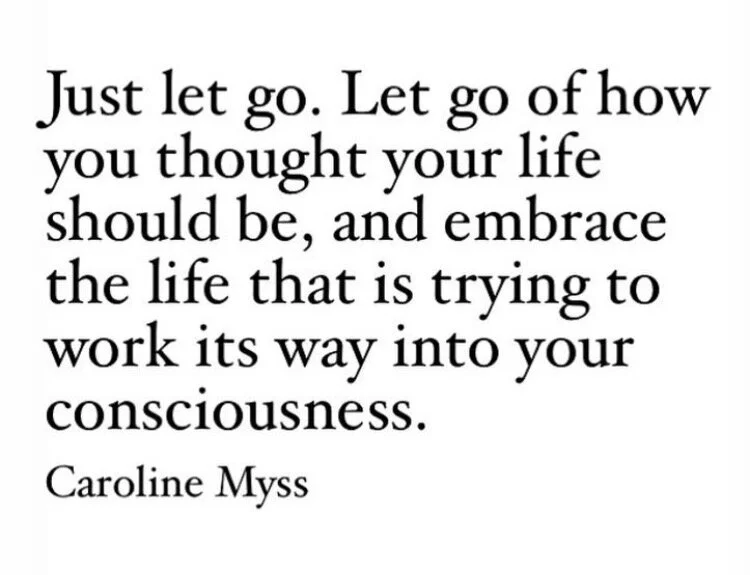
Read this poem when you feel yourself clinging and allow yourself to just let go...

~ J O U R N A L P R O M P T S ~
What am I holding on to emotionally, physically, spiritually?
What are my intentions for 2020?
Is there anything that I can accomplish without putting too much pressure on myself?
Setting Intentions

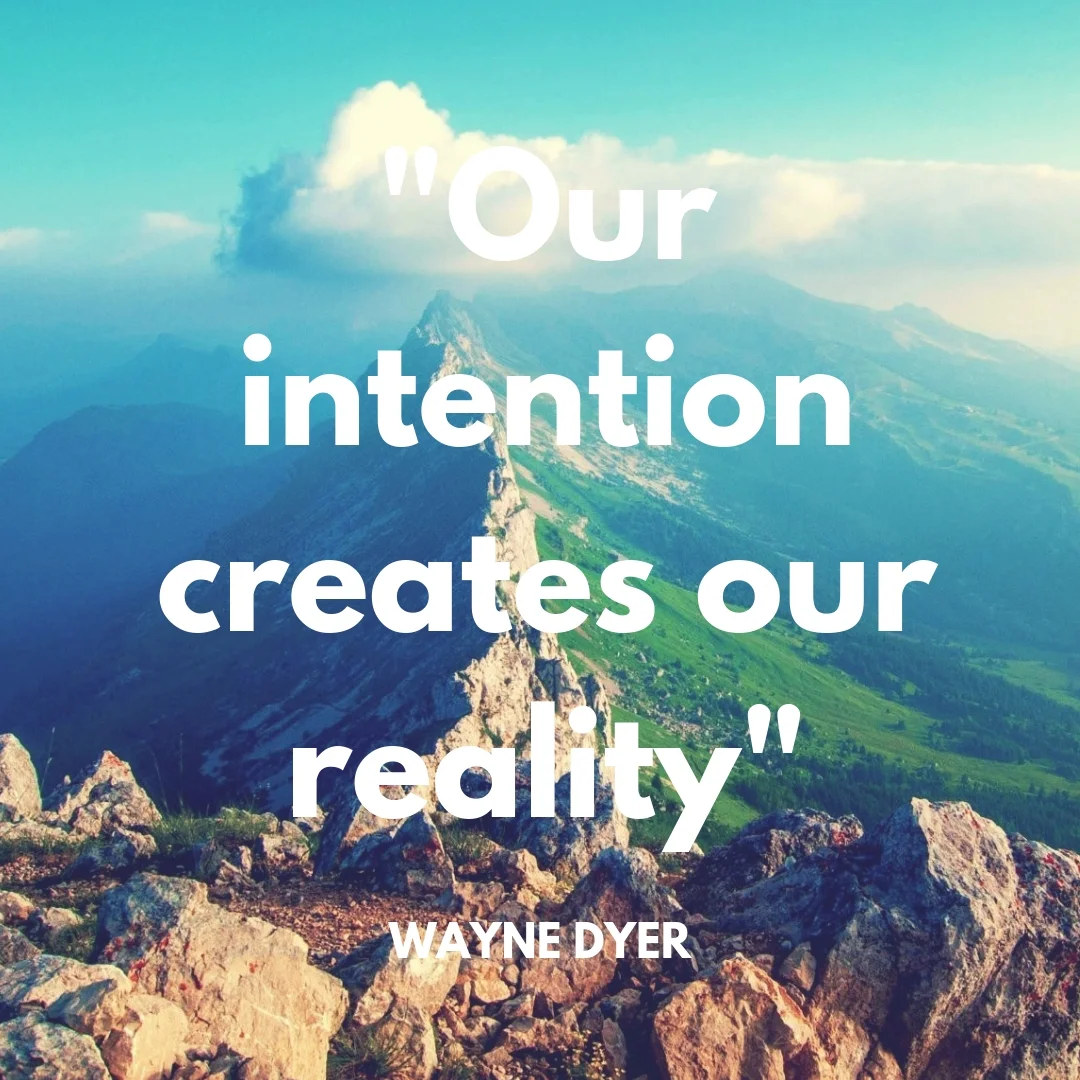
At the start of a new year there is a feeling of change in the air. For some they like to set goals or resolutions, but often this idea of changing or starting new can bring about feelings of stress, anxiety, and even depression. Instead of putting pressure on yourself to be different or better in some way, focus on what you have already accomplished. Setting intentions can be a powerful tool for you to direct your positive thoughts into making your dreams, desires, and wishes into reality.
“Intention is the starting point of every dream. It is the creative power that fulfills all of our needs, whether for money, relationships, spiritual awakening, or love.” —Deepak Chopra
I found a couple of articles that can help you set intentions for the year.
5 Steps to Setting Powerful Intentions - Deepak Chopra
10 Intentions to Set for Your Most Authentic Life - Mind Body Green
Setting INTENTIONS
I like to set overall intentions for the year that are more of a theme such as finding GRATITUDE in each day, and to practice being MINDFUL and bring my awareness back to the PRESENT moment as much as I can.
It is important to not set too many intentions or you may start to feel overwhelmed.
I also like to set intentions at the start of each month which could be more specific to help me set my mind on accomplishing certain things. For instance, this January I would like to make 3 juices per week with my Hurom juicer I got for Christmas. I also would like to MEDITATE every day by using the MUSE meditation device.
Focus on what brings you JOY
It is important to customize intentions that you know will bring you joy, fill you up, and make you happy. With each person in the world we all find joy in different ways and it can be easy to fall into the trap of comparison, especially with social media these days. Think of a few things that bring you joy and what you can do to incorporate this into your life. It could be buying yourself fresh flowers every week or indulging in a piece of dark chocolate at the end of a busy day. If you have a goal for the year such as to be healthier or to manage your stress better, think of small ways that you can incorporate these changes that will take you on the path to overall better health and wellness. For example, it could be taking up a yin yoga class that can help you manage your stress through relaxing poses.
Find a creative way to set your intentions
I enjoy water-coloring my intentions at the start of the year or the start of the month as a way to direct my thoughts to something that I can visualize. Once I have completed my water-color I place them in a place that I can be reminded each day. There are other ways to visualize your intentions - you could create a vision board with images, or write them in your journal. Do what works best for you and remember to keep it simple!
Release your intentions and trust in yourself
As the new year passes, or the start of a fresh month begins to turn into the next week, we can sometimes lose our way, we get caught up in life and we lose sight of what we initially sought out to do. If you keep your intentions in a place that you can be reminded each day, this subtle cue will help your refocus your thoughts. You could set your intentions as a wallpaper on your phone, or site it as a mantra during meditation. It is important to not cling to the outcome, set your intentions, let them go, and come back to them when you need them.