Self-Care Rituals for Stress Relief & Relaxation

Exploring Face Yoga, Gua Sha, Dry Body Brushing & Acupressure

In a world that moves quickly and asks so much of us, self-care becomes less about indulgence and more about intention. True self-care is not something we rush through—it’s something we return to. A ritual. A pause. A way of listening to the body and nervous system with compassion.

Ancient wellness practices like face yoga, gua sha, dry body brushing, and acupressure offer simple yet powerful ways to release tension, improve circulation, and invite calm back into the body. These practices can be woven into your daily or weekly routine as grounding rituals that support both physical vitality and emotional ease.
Face Yoga: Softening the Face, Calming the Mind

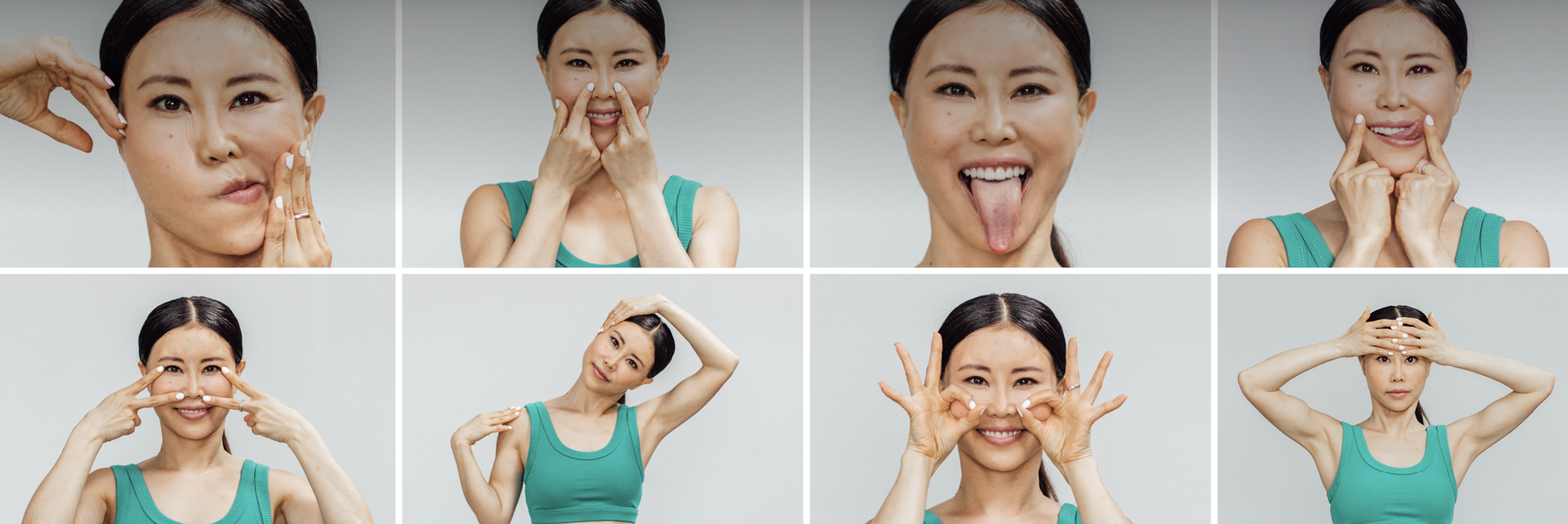
We often hold stress in our faces without realizing it—tight jaws, furrowed brows, lifted shoulders. Face yoga uses gentle movements, stretches, and intentional relaxation to release tension in the facial muscles while increasing circulation and awareness.

Benefits of face yoga include:

  • Reduced jaw, neck, and facial tension

  • Improved circulation and lymphatic flow

  • A more relaxed, lifted, and refreshed appearance

  • A calming effect on the nervous system

Try this simple practice:
Take a slow inhale and gently lift the corners of your mouth into a soft smile. As you exhale, release the jaw and let the tongue rest on the floor of the mouth. Repeat several times, allowing the face to soften from the inside out.

Face yoga is not about striving for perfection—it’s about presence, ease, and learning to relax where we often grip.

Gua Sha: A Moving Meditation for the Face & Body

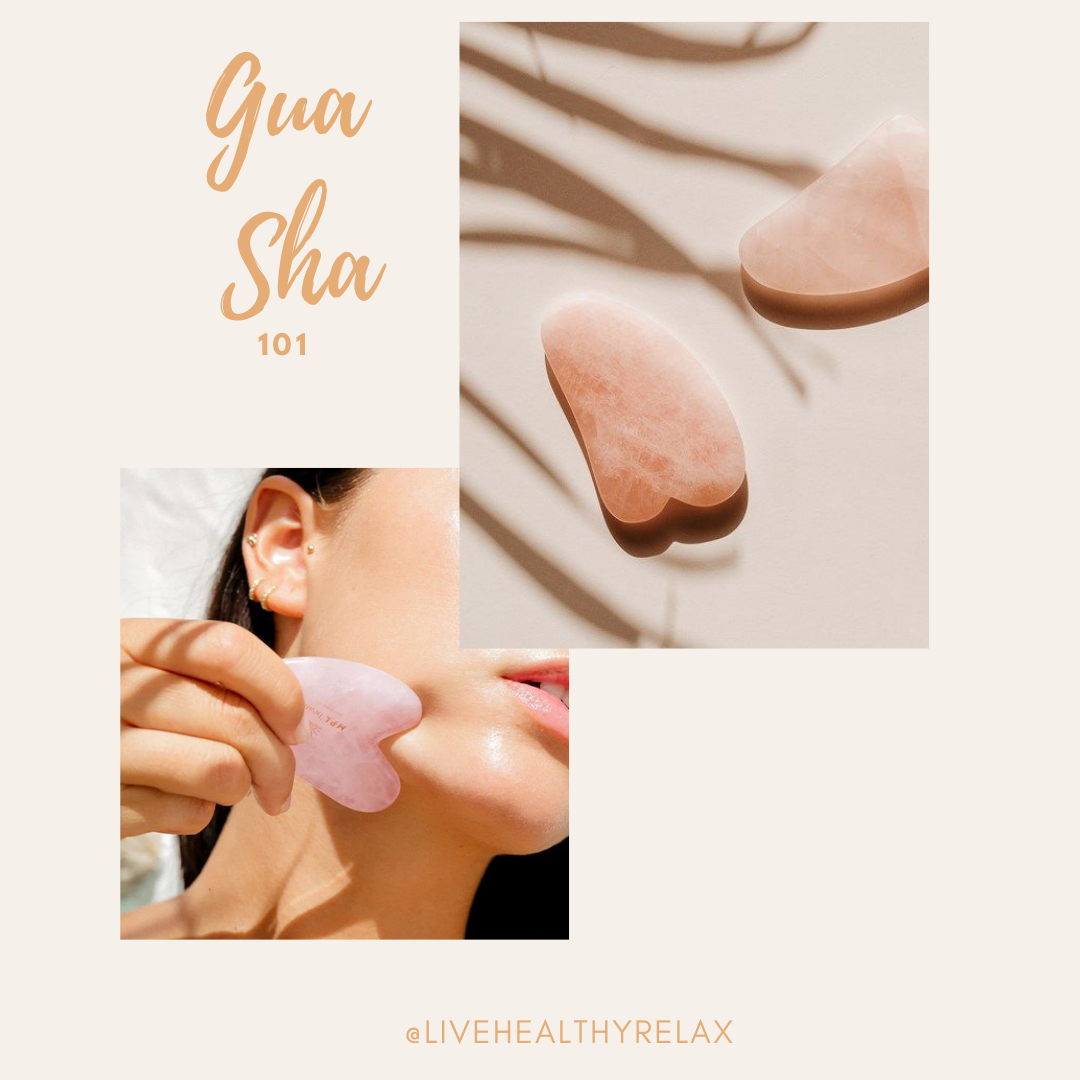
Gua sha is an ancient practice rooted in Traditional Chinese Medicine, traditionally used to move stagnant energy (qi) and promote circulation. When practiced gently on the face and neck, it becomes a soothing ritual that supports lymphatic drainage and relaxation.

Benefits of gua sha:

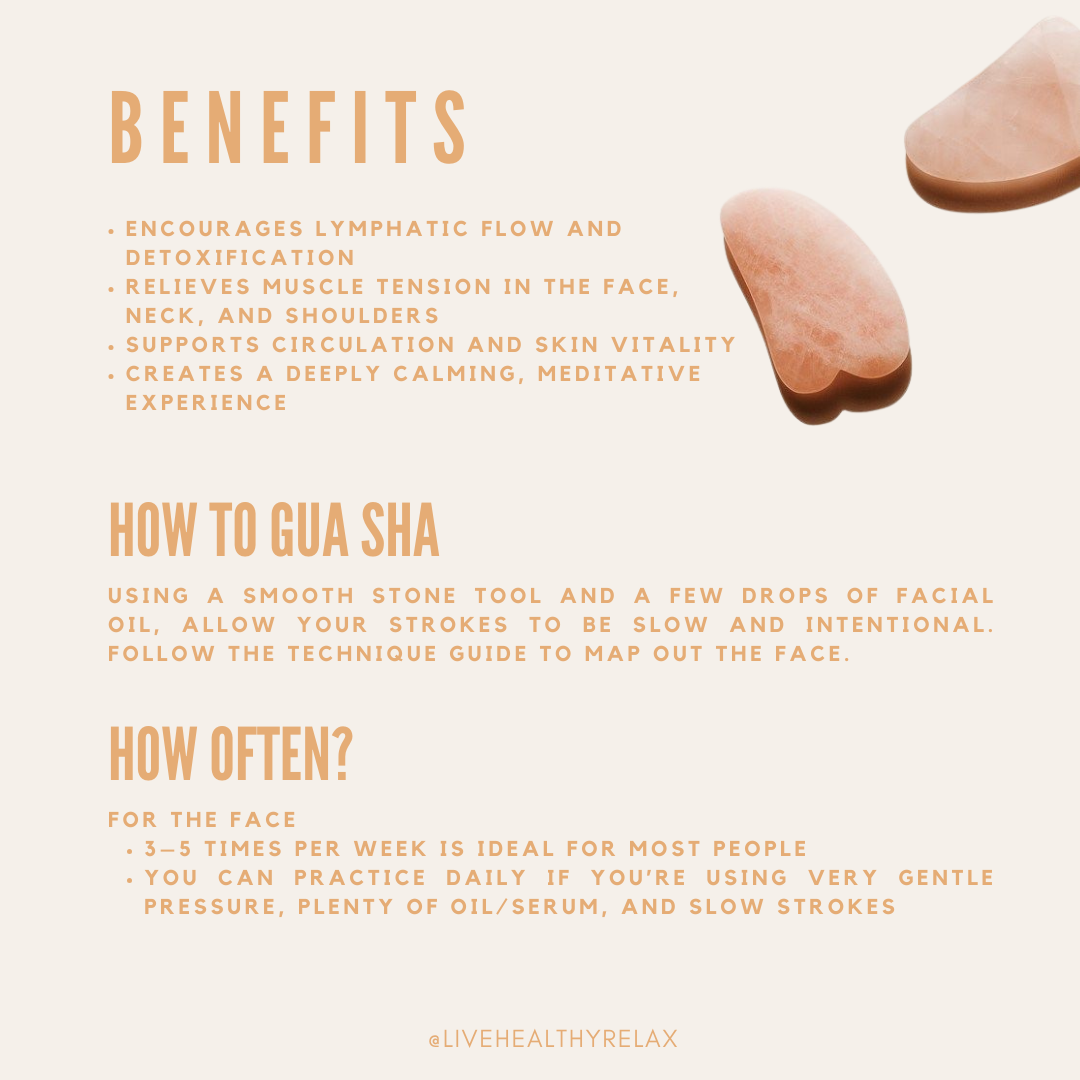
  • Encourages lymphatic flow and detoxification

  • Relieves muscle tension in the face, neck, and shoulders

  • Supports circulation and skin vitality

  • Creates a deeply calming, meditative experience

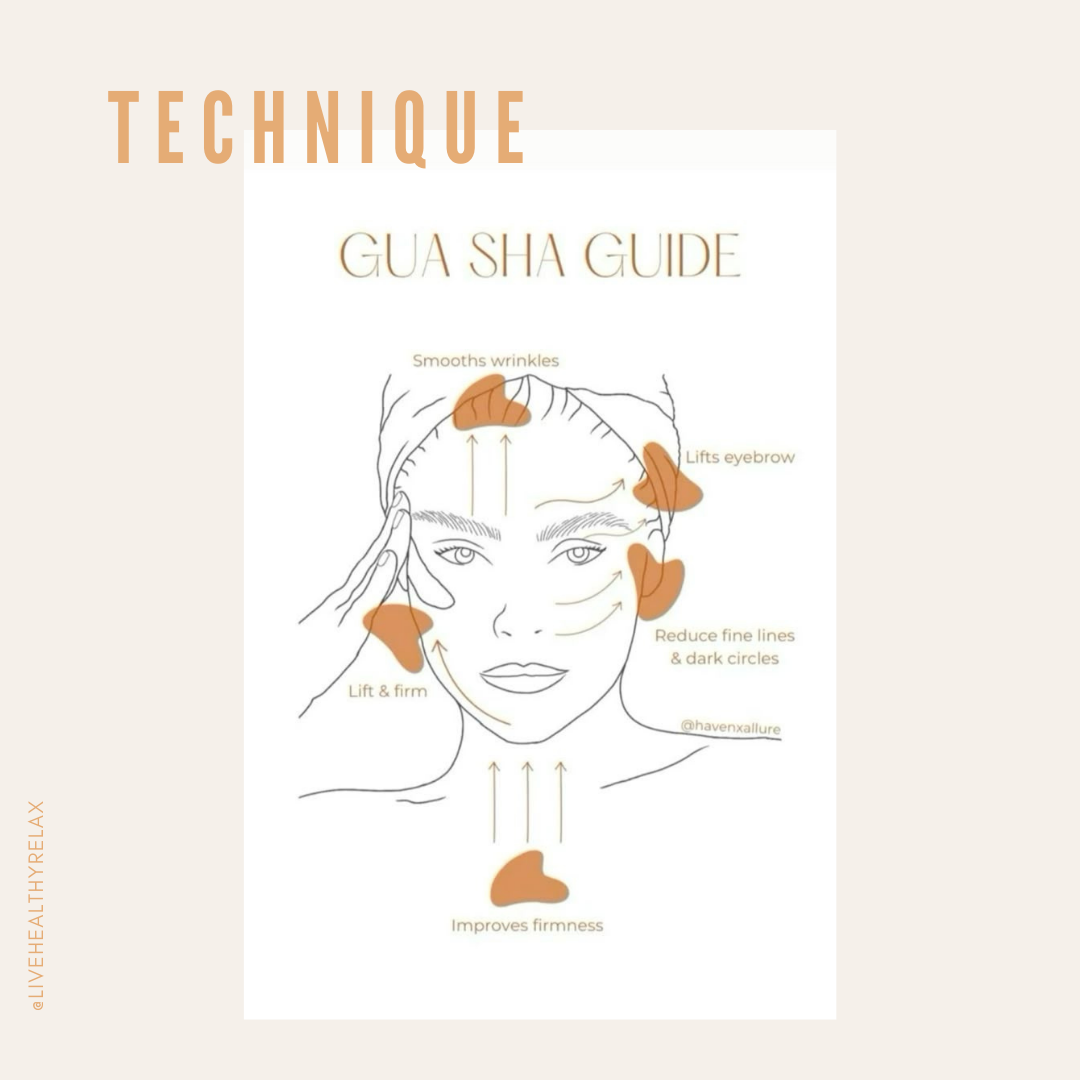
Using a smooth stone tool and a few drops of facial oil, allow your strokes to be slow and intentional. Think less about “doing” and more about listening—letting the rhythm of the practice guide you into stillness.
Staineless-Steel Gua Sha

Elevate your skincare routine with the Kitsch Stainless Steel Gua Sha Facial Tool. Made from 100% stainless steel, this sleek and durable tool helps sculpt the face, reduce puffiness, and promote lymphatic drainage - all without the fragility of traditional stone tools. The balanced weight provides enhanced control for both facial and body massage, while the non-porous surface stays hygienic and easy to clean. A modern essential for daily self-care with a clean, minimalist edge.

Dry Body Brushing: Energizing the Body, Clearing the Mind

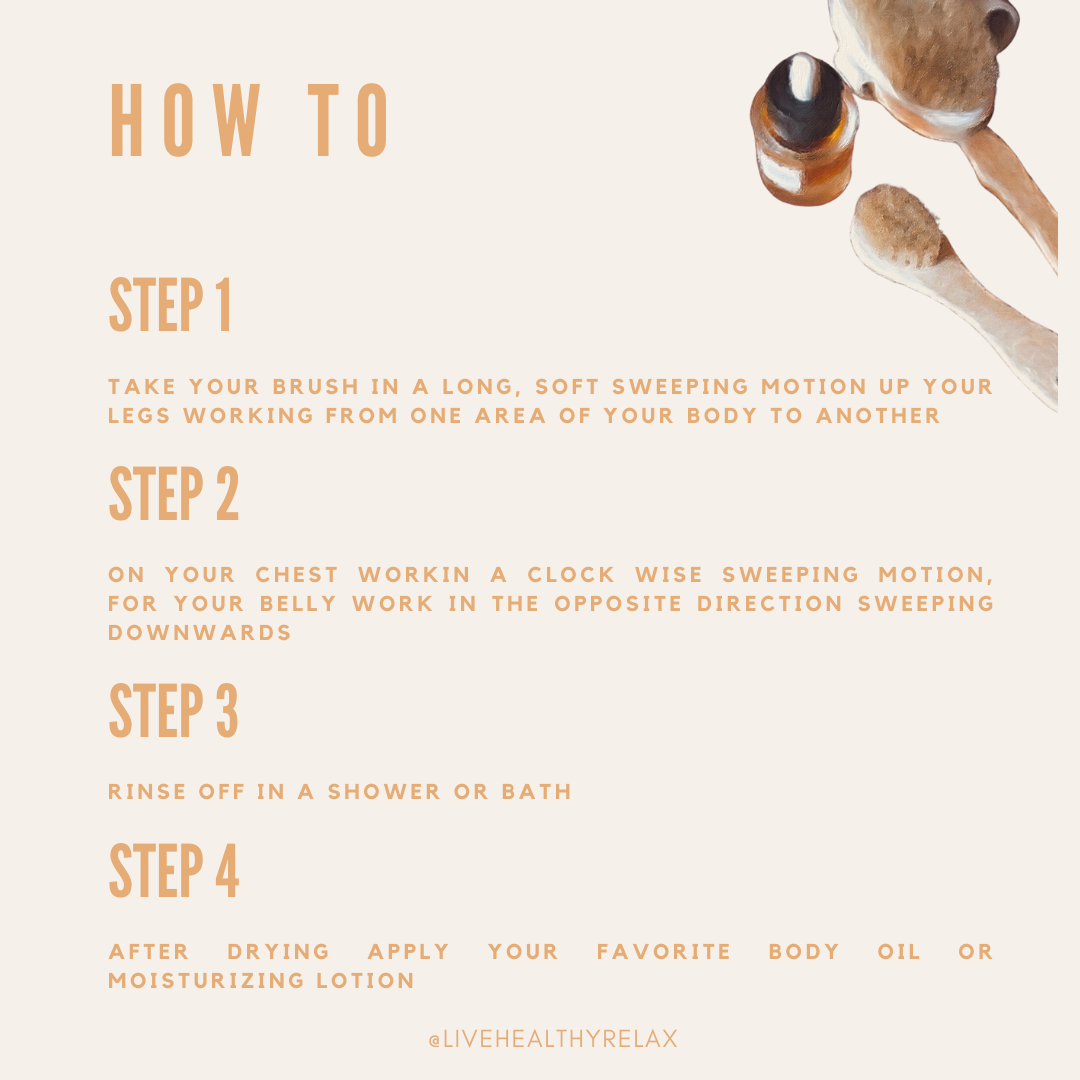
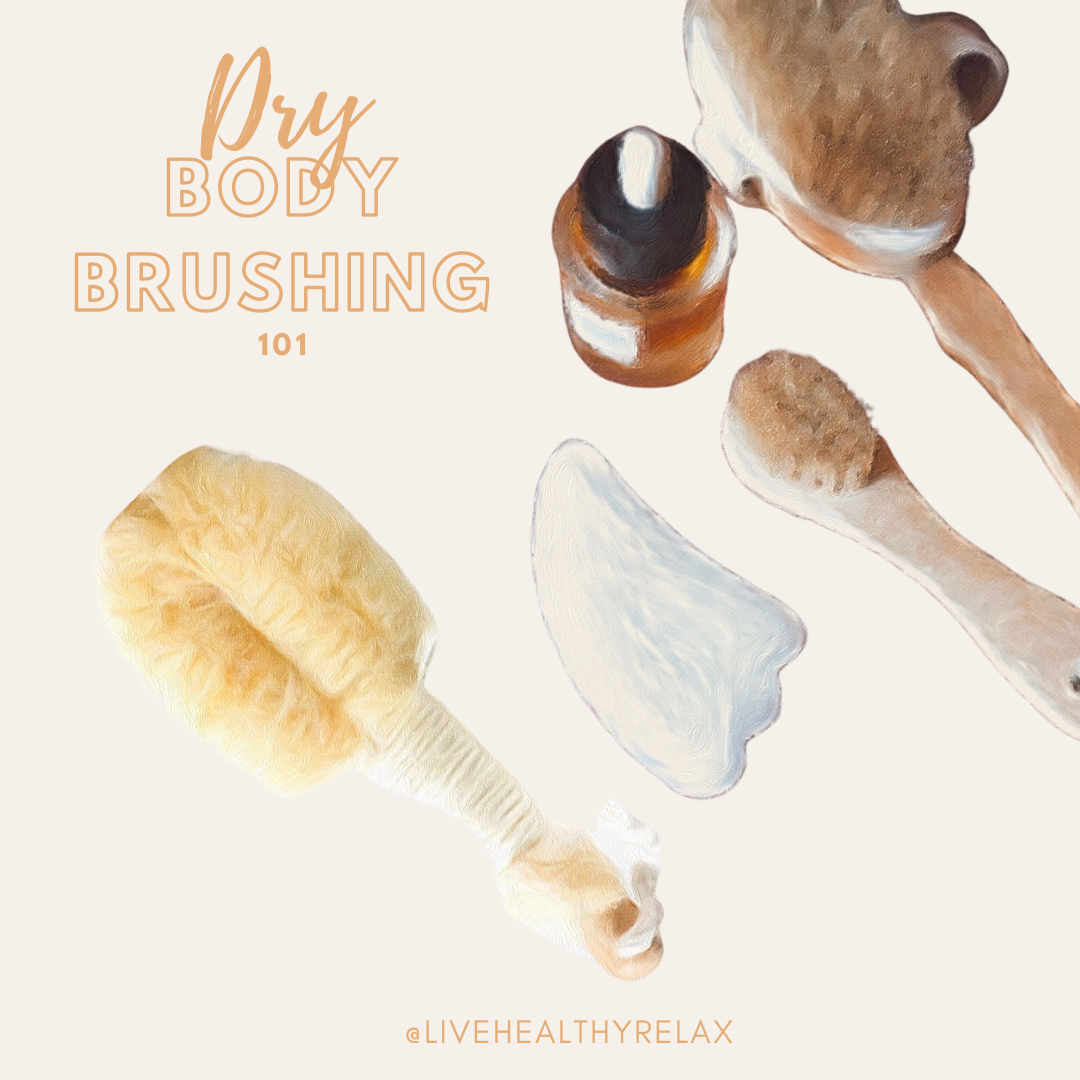
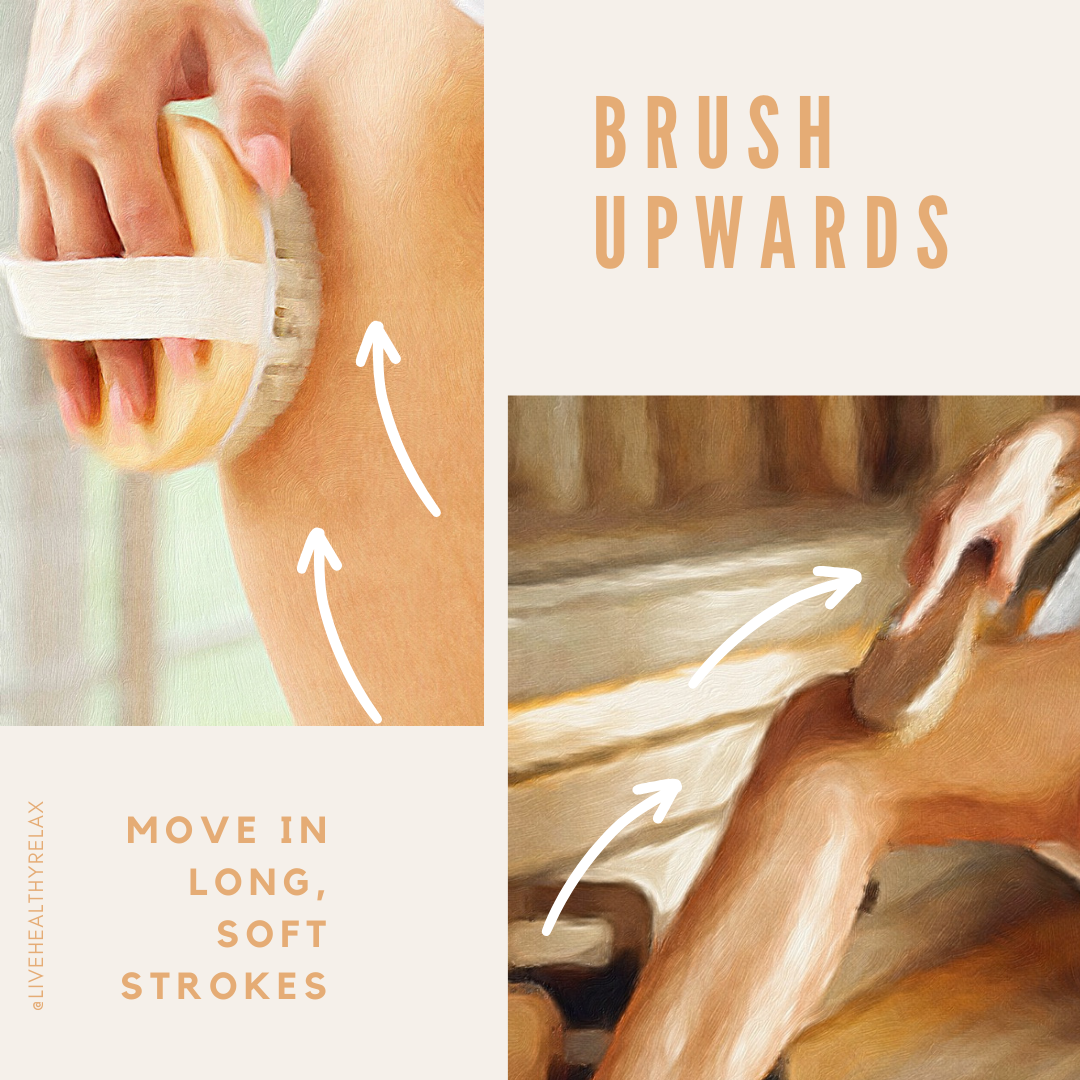
Dry body brushing is a simple Ayurvedic ritual traditionally practiced before bathing. Using a natural-bristle brush, you sweep the skin in long, gentle strokes toward the heart.

Benefits of dry body brushing:

  • Stimulates lymphatic drainage

  • Increases circulation and energy

  • Gently exfoliates the skin

  • Awakens the body and supports detoxification

This practice can feel both invigorating and grounding—especially when done with mindful breathing. It’s a beautiful way to reconnect with your body first thing in the morning or to gently reset after a long day.
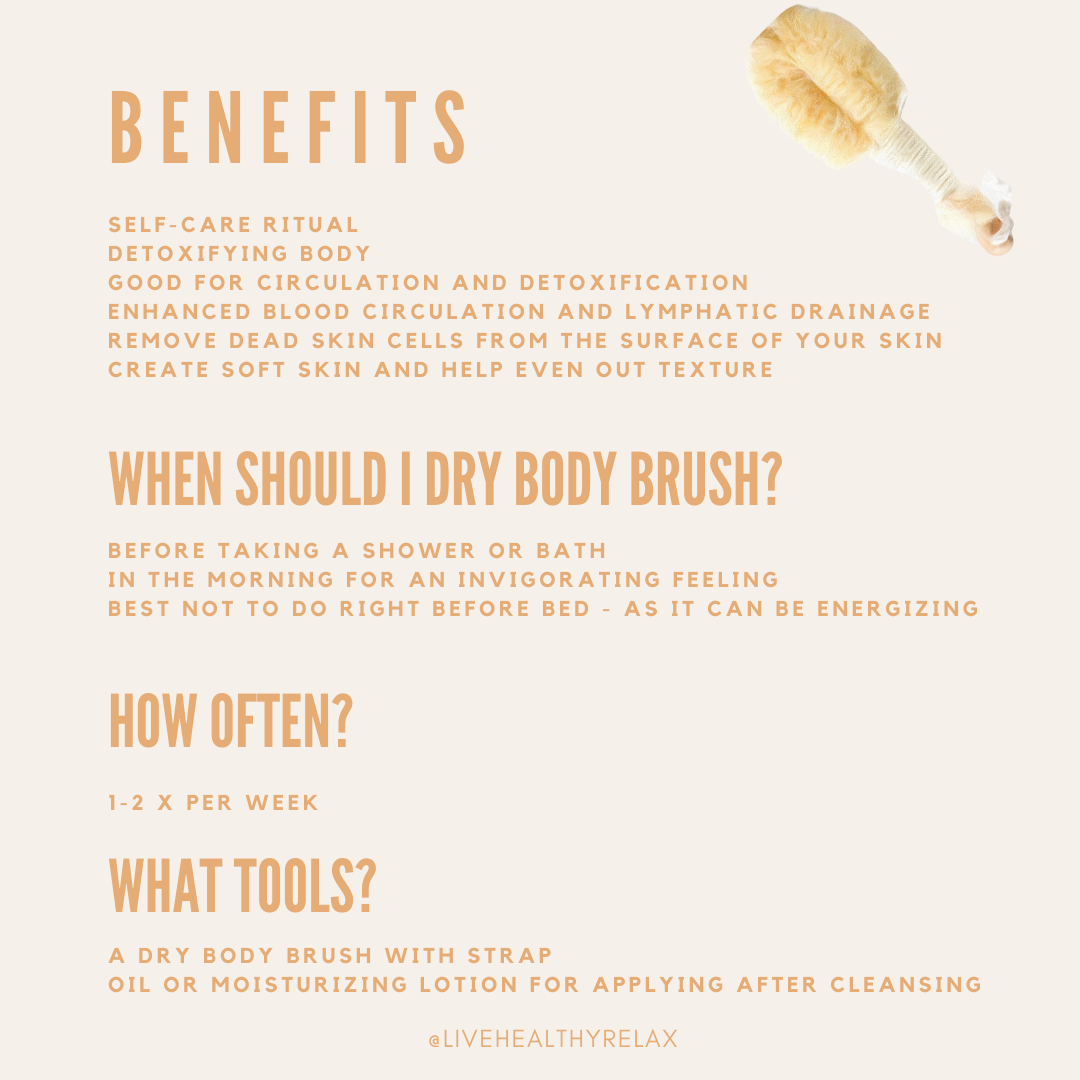
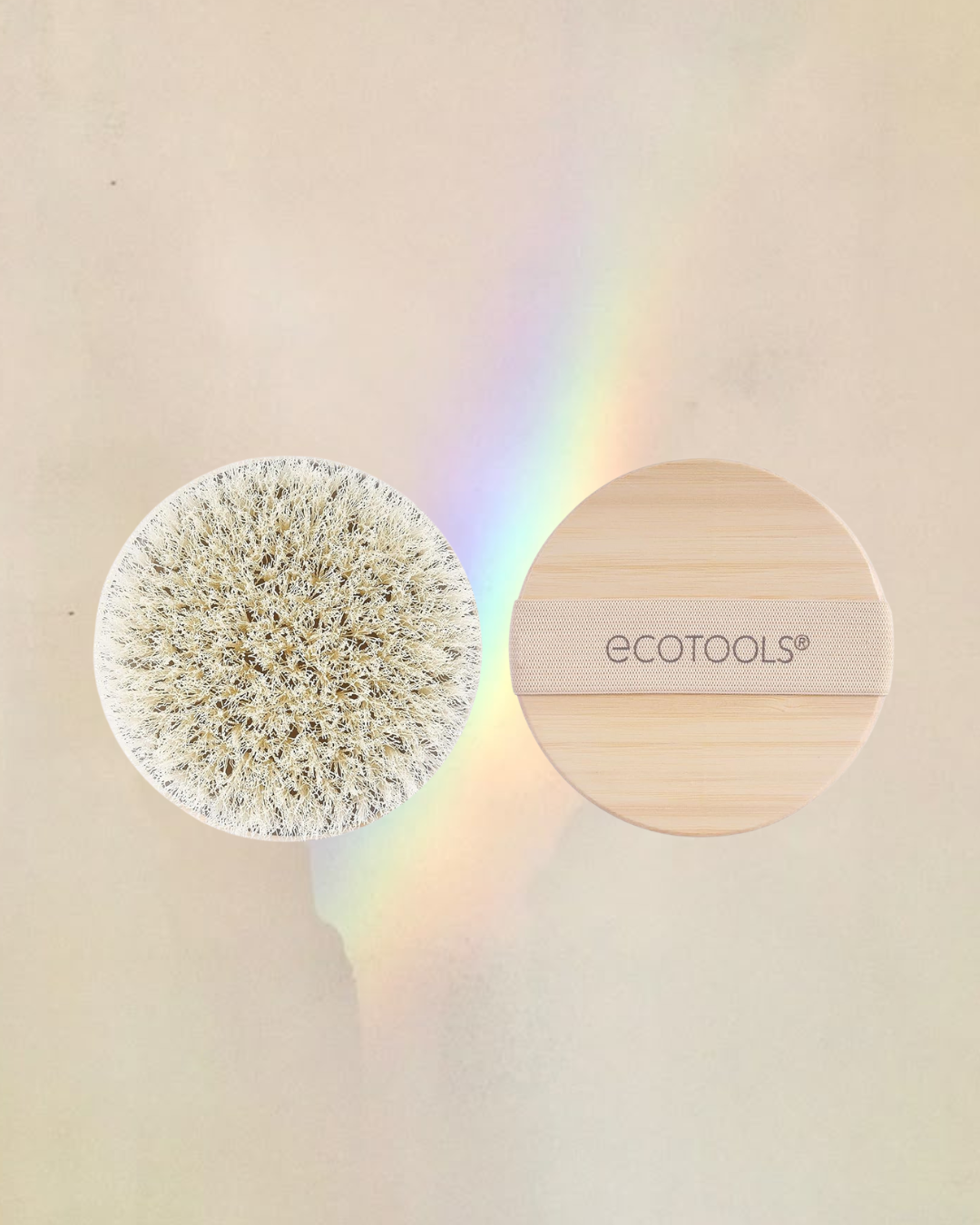
Dry Body Brush

EcoTools Dry Body Brush is best for exfoliating and smoothing the skin

Dry brushing regularly can help get rid of dryness- Brush your legs, arms, and torso using gentle strokes to achieve your softest skin yet

Body brush is best used on dry skin before showering for optimal results

EcoTools designs high-quality bath accessories for both men and women

Made with synthetic, cruelty-free bristles & designed with a 100% renewable bamboo handle that fits in the palm of your hand

Acupressure for Stress Relief: Points of Calm

Acupressure works with the body’s energy pathways to help release tension and restore balance. With just your fingertips, you can access powerful points that signal the nervous system to relax.

A few calming points to explore:

  • Third Eye (Yintang): Between the eyebrows—supports relaxation and mental clarity

  • Heart 7: On the inner wrist crease—helps calm anxiety and emotional stress

  • Pericardium 6: Three finger widths below the wrist crease—soothes the nervous system and supports deep breathing

Apply gentle pressure while breathing slowly, staying for 30–60 seconds at each point.

Creating Your Own Self-Care Ritual

The beauty of these practices lies in their simplicity. You don’t need to do everything at once. Choose one or two rituals that resonate and allow them to become moments of devotion—to your body, your breath, your well-being.

Light a candle. Put your phone away. Move slowly. Let your self-care be less about fixing and more about feeling.

When practiced consistently, these rituals become more than techniques—they become reminders that rest is productive, presence is healing, and you are worthy of care exactly as you are.
Understanding the Doshas: An Introduction to Ayurveda & Your Unique Nature

Ayurveda, often called the science of life, is an ancient holistic system that originated in India over 5,000 years ago. At its heart, Ayurveda teaches us that balance is not one-size-fits-all. What nourishes one person may feel depleting to another—and even our own needs can change from day to day.

One of the foundational concepts of Ayurveda is the doshas: three energetic forces that influence our body, mind, and emotions. Understanding the doshas helps us make more compassionate choices around movement, rest, food, and self-care.

What Are the Doshas?

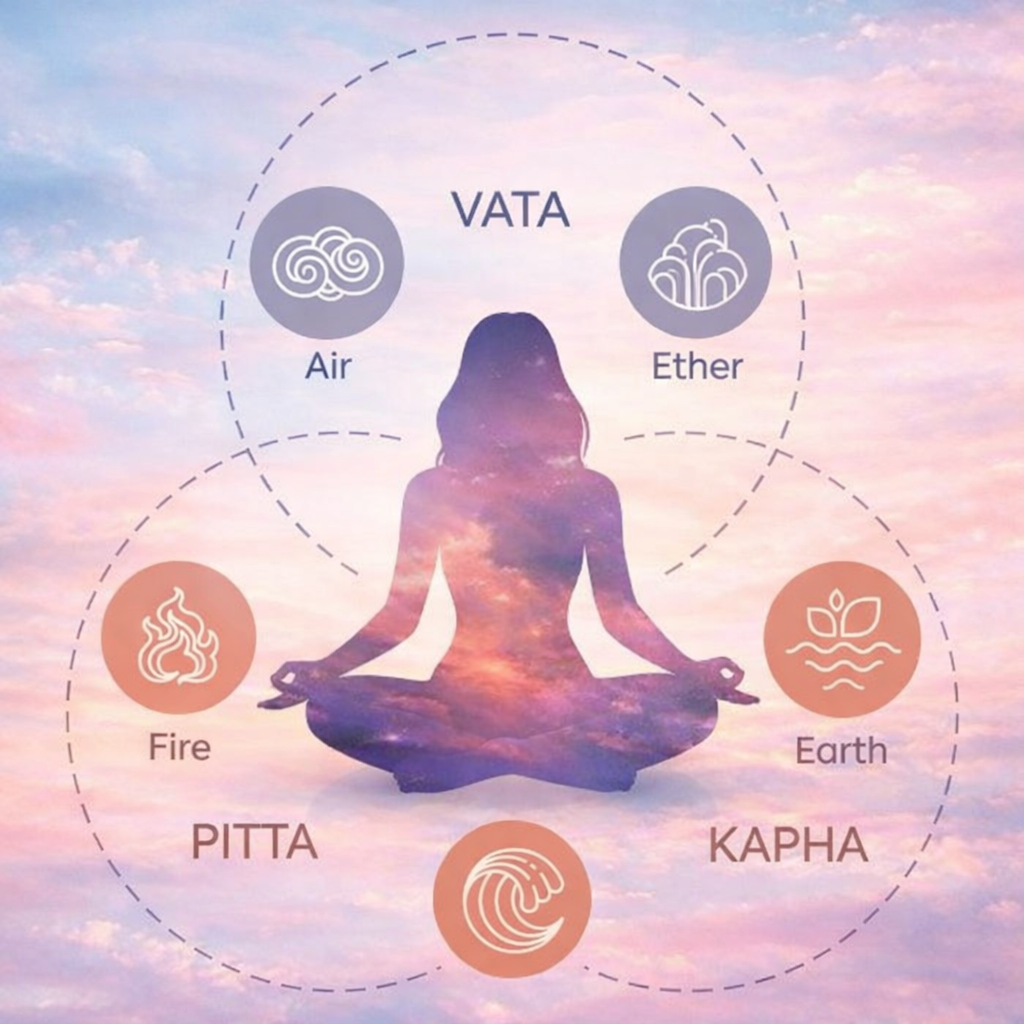
The doshas are made up of the five elements—earth, water, fire, air, and space—and are present in everyone in different proportions. Rather than being something to “fix,” the doshas offer a language for understanding our natural tendencies and current state of balance.

The three doshas are:

Vata (air + space)

Pitta (fire + water)

Kapha (earth + water)

We each have all three, but usually one or two are more dominant. Take the simple quiz below to find out your dosha.


Vata Dosha: Movement & Change

Elements: Air + Space
Qualities: Light, dry, cold, mobile, subtle

Vata governs movement in the body—breathing, circulation, the nervous system, and creativity. When Vata is balanced, we may feel inspired, adaptable, and lively.

When Vata is out of balance, it can show up as:

  • Feeling scattered or anxious

  • Difficulty sleeping

  • Dryness in the body

  • Fatigue or overthinking

Ayurvedic support for Vata
Vata benefits from grounding, warmth, and routine. Slow, steady yoga practices, gentle breathwork, and longer holds help calm the nervous system and create a sense of safety and stability.


Pitta Dosha: Transformation & Focus

Elements: Fire + Water
Qualities: Hot, sharp, intense, focused, transformative

Pitta governs digestion, metabolism, and mental clarity. When balanced, Pitta expresses as confidence, intelligence, and purpose.

When Pitta is out of balance, it may feel like:

  • Irritability or frustration

  • Overheating or inflammation

  • Perfectionism or burnout

  • Difficulty relaxing

Ayurvedic support for Pitta
Pitta thrives with cooling, softening, and moderation. Gentle yoga with a non-competitive mindset, calming breath, and surrendering intensity helps bring balance back to both body and mind.


Kapha Dosha: Stability & Nourishment

Elements: Earth + Water
Qualities: Heavy, slow, steady, grounded, nurturing

Kapha provides structure, strength, and emotional steadiness. When balanced, Kapha offers patience, compassion, and resilience.

When Kapha is out of balance, it can feel like:

  • Sluggishness or heaviness

  • Low motivation

  • Feeling stuck emotionally or physically

  • Resistance to change

Ayurvedic support for Kapha
Kapha benefits from movement, warmth, and gentle stimulation. Uplifting yoga practices that encourage circulation, lightness, and rhythm can help awaken energy without force.


Your Dosha Does not Define You

One of the most important teachings of Ayurveda is that you are not your dosha. Your needs change with the seasons, your stage of life, stress levels, and even the time of day.

Rather than asking:

“What is my dosha?”

Ayurveda invites us to ask:

“What do I need right now?”

This awareness allows us to meet ourselves with kindness instead of judgment.

Yoga as a Tool for Balance

Yoga and Ayurveda are sister sciences. When we understand the qualities of the doshas, yoga becomes a powerful tool for restoring balance:

  • Grounding practices soothe excess Vata

  • Cooling, gentle flows calm Pitta

  • Energizing, rhythmic movement supports Kapha

Ayurveda teaches us to live in relationship with ourselves—to listen, respond, and adapt. By understanding the doshas, we gain permission to honor our energy instead of pushing against it.

Whether through yoga, breath, rest, or daily rituals, balance begins with awareness.


How to Know When a Dosha Is Out of Balance

—and How to Restore Balance Through Yoga, Breath, Meditation & Daily Rituals

In Ayurveda, imbalance isn’t something to judge or fix—it’s simply information. The body and mind are always communicating, and when a dosha becomes excessive, it often shows up through subtle (or not-so-subtle) signals. By learning to recognize these signs, we can respond with practices that bring us back into harmony.

Vata Imbalance

(Air + Space | Movement & Nervous System)

Signs Vata May Be Out of Balance

  • Feeling scattered, anxious, or restless

  • Difficulty sleeping or staying asleep

  • Dryness (skin, lips, joints)

  • Fatigue paired with racing thoughts

  • Feeling ungrounded or “spaced out”

Yoga for Vata Balance

  • Slow, grounding practices

  • Gentle flows with repetition rather than variety

  • Longer holds close to the earth

Supportive Poses:
Child’s Pose, Seated Forward Fold, Supine Twist, Supported Bridge, Legs Up the Wall

Breathwork for Vata

  • Slow, steady breathing

  • Lengthened exhales

  • Gentle belly breathing

Meditation for Vata

  • Body scan meditations

  • Guided imagery

  • Repeating a grounding mantra

Vata Self-Care Rituals

  • Taking a slow walk in nature

  • Warm baths or oil self-massage (abhyanga)

  • Keeping a regular daily routine

  • Journaling to release mental chatter

  • Drinking warm teas or soups

Key intention: Ground, slow down, create safety


Pitta Imbalance

(Fire + Water | Digestion & Focus)

Signs Pitta May Be Out of Balance

  • Irritability, frustration, or impatience

  • Overheating or inflammation

  • Perfectionism or burnout

  • Difficulty relaxing or letting go

  • Sharp self-criticism

Yoga for Pitta Balance

  • Cooling, non-competitive practices

  • Gentle flows with rest woven in

  • Forward folds and heart-soothing poses

Supportive Poses:
Seated Forward Fold, Wide-Leg Forward Fold, Reclined Twist, Low Lunge (soft), Supported Child’s Pose

Breathwork for Pitta

  • Cooling breath awareness

  • Natural nasal breathing

  • Exhale-focused breathing

Meditation for Pitta

  • Loving-kindness (metta) meditation

  • Compassion-based visualization

  • Observing thoughts without judgment

Pitta Self-Care Rituals

  • Swimming or time near water

  • Evening walks as the sun sets

  • Reducing screen time and overstimulation

  • Cooling herbal teas

  • Allowing unstructured time without goals

Key intention: Soften, cool, release intensity


Kapha Imbalance

(Earth + Water | Stability & Structure)

Signs Kapha May Be Out of Balance

  • Feeling heavy, sluggish, or unmotivated

  • Emotional attachment or resistance to change

  • Low energy or mental fog

  • Oversleeping

  • Feeling stuck physically or emotionally

Yoga for Kapha Balance

  • Uplifting, rhythmic movement

  • Shorter holds with more transitions

  • Gentle backbends and standing poses

Supportive Poses:
Sun Salutation variations, Warrior poses, Chair Pose, Sphinx, Gentle Camel

Breathwork for Kapha

  • Slightly more energizing breath

  • Fuller inhales

  • Upright seated breathing

Meditation for Kapha

  • Visualization with light or warmth

  • Mantra meditation with intention

  • Shorter, consistent meditation sessions

Kapha Self-Care Rituals

  • Morning walks or hikes

  • Dancing or gentle cardio movement

  • Dry brushing

  • Trying something new or creative

  • Spending time in fresh air and sunlight

Key intention: Energize, uplift, invite movement


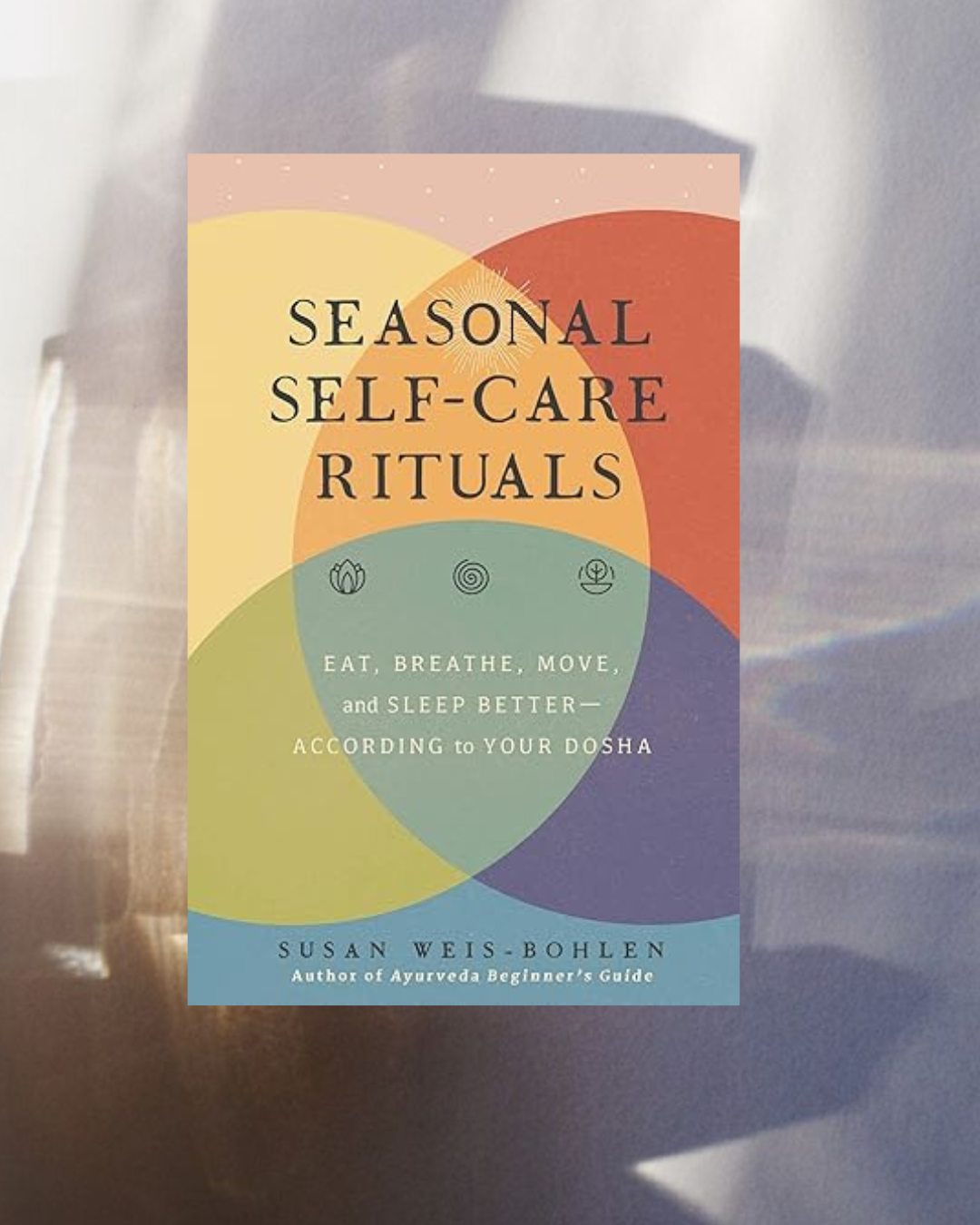
Seasonal Self-Care Rituals

Support your journey of wellness by deepening your practice of learning more about Ayurveda and developing self-care rituals according to your dosha.


Ayurveda Basics

Inner Now

To explore Ayurvedic living more deeply and learn how to support balance for your unique dosha, you may enjoy Deepak Chopra’s meditation app, Inner Now. The app offers a simple dosha quiz and then recommends meditation practices and content tailored to your constitution, making it an accessible way to bring Ayurveda into daily life.

The Art of Intention Setting: Moving with Purpose, Not Pressure

In this episode, you’re invited to slow down and reconnect with what truly matters. Inspired by the intention-setting yoga practices I guide, this episode explores intention not as something to achieve—but as something to feel into and cultivate with care.

Through breath, reflection, and gentle prompts, we’ll explore the difference between intentions and resolutions, connect to how you want to feel, and plant a seed that can guide you on and off the mat. This is a grounding practice you can return to anytime you need clarity, alignment, or a sense of inner direction.

Perfect for listening during a quiet moment, a walk, or as part of your self-care ritual.

Stress-Detox

Stress is inevitable and is bound to show up in our lives in one way or another. It’s likely you will experience the effects of stress from time to time, but when the stress levels begin to build and happen on a regular basis it’s time to identify the causes of the stressors.

There are different types of stress and everyone reacts differently. It could be as simple as starting at your toddler as they go into a melt-down because they didn’t get what they want or bouncing from email to email at work with a ton on your to-do list, it can even be a confrontation with a spouse, family member, or friend.

Notice the feeling that is created in your body when you experience stress hormones like cortisol and adrenaline. Think back to a time when you were the most stressed. What was happening? What thoughts were you having? What did it feel like in your body?

When we can start to notice the cues our body sends us through stress signals and identify what that feeling is we can start to observe the causes of the stress.


Digital Detox

Perhaps, you find it overwhelming scrolling through social media and the constant comparison. You feel an irritation in your body, your heart starts pumping faster, and you feel your breath is shorter than normal. These are physical symptoms appearing from the source. There is a physical reaction happening. An easy way to negate this feeling is to cut off the source. For example, stop scrolling through social media. Give yourself a digital detox and in return, you will find a stress detox.


Work-Related Stress

Let’s examine another cause of stress – work-related stress. Now, as much as we would like to take short work weeks and more vacations, most of us need to work for a living. But there are ways to handle the stress when it arrives on your desk. By practicing certain breathing methods, mindfulness, and strengthening your meditation habit you will begin to find yourself less reactive and flooded with overwhelming thoughts that activate your stress response. Try to get down to the detail of what is causing the irritation, overwhelm, or anxiety. Do you find yourself feeling tired and exhausted because you didn’t sleep well? Are you working without taking breaks? Are you drinking too much coffee? What is your mindset like? Do you tend to look at things overly optimistically or be skewed by the negative perception of life? Find what you can remove, change, or alter in some way. By noticing the contributing factors that lead to work-related stress you may be able to make minor adjustments to improve your day-to-day job.


 Let the Stress Out


Yin-Yoga is a wonderful way to release built-up emotions that are stored in the body, supine twists will help release toxins by massaging the internal organs, and hip-opening poses like pigeon or frog will get into those much-needed areas of release. Try practicing before you go to bed and when you first wake up.


Deep Breathing

When we are stressed we tend to hold our breath, taking short, shallow breaths with a decreased exhale. In order to activate the parasympathetic nervous system that turns on our relaxation response deep breathing needs to become prominent. Start by taking a breath in for a count of 4. Holding for a count of 2. And then exhaling for a count of 6-8. By lengthening the exhale repeatedly you will naturally find more ease in the body and mind. Breathing deeply is a wonderful way to release the stress hormones that build in the body such as cortisol and adrenaline.


Get a good night’s sleep

Researchers have shown sleep increases brain function and the ability to problem-solve. It is important to have a good quality night's sleep of at least 7-8 hours in order to feel your best. Life becomes more stressful when you are tired and can’t think straight. This can also have a profound effect on the other areas of your life – helping you make healthy choices and be more aware.


Journal + Gratitude

Writing your thoughts out is a well-known way to release stress. Often, thoughts circulate in the mind. Continuously finding a loop and creating challenges of resolving the issue that is causing you stress. Get out a pen and paper or write in a digital journal and get all of your feelings out. A term called “rage-on-the-page” gives the writer 10 minutes of free time to just write whatever comes out when you are experiencing a deep-felt emotion. As you write imagine releasing the emotion. You don’t have to go back and read it unless later on you would like to examine your feelings and dive deeper. Follow up your journal writing with a gratitude reflection in order to bring positivity back into your mind. Journaling is a great way to vent and gratitude is a great way to nourish yourself from within.

Clear your mind

Take a break from what you are doing. If you find yourself feeling frustrated with something it might be time to remove yourself from the situation. Find a different perspective. If you find yourself feeling critical or overthinking – clear your mind. Immerse yourself in the experience of meditation, do some yin-yoga, go for a walk, or try painting.

Free your mind from whatever it is circling around. Find freedom, make space, and allow yourself to find the clarity you are searching for. Take as much time as you need, walk away, stop what you are doing, and let go just for now. The best way to clear your mind is to clear yourself from the space your mind was occupying.

Enjoy what you have when you have it

When your mind is in a constant state of past or future thoughts it’s difficult to live moment to moment. When you are unable to live in the moment how can you truly appreciate, find gratitude, or enjoy what you have when you have it?

 It’s important to take time to notice – immerse yourself in the moment and look at all you have accomplished. Where are you now that you once dreamed you would be? Are you always looking towards the future hoping your life will be better, have more, and accomplish all that you can? When X marks the spot, but the X is in constant motion ahead, how can you ever maintain that sense of bliss? Allow yourself to relax into the moment with full awareness and gratitude.


Practice:

Think about what you have right here and now.

What do you enjoy about your life?

What fills you up and makes you feel content?

Do you feel you are in constant searching or longing for happiness but can’t ever achieve it?

Sometimes we look back in hindsight when we reflect on the past and think – wow, I really didn’t have it that bad. I wish I spent more time being grateful or enjoying it instead of wanting more or wishing things to be different.

One thing is for sure – this life comes and it goes. How will you spend your time and energy? Will your energy waste away with the constant search for more? Will you always regret things from the past? Or will you live life simply enjoying each moment as it arises? Accepting it for all it is and going forward with enjoyment and contentment.

Get to know your body

Much of our life experience we are focused on thoughts and external factors. Memories of the past, situations in the present, and dreaming of the future. How much of that time are we spending getting to know our bodies from the inside? Becoming more in tune with how we are feeling versus thinking? Can you sense your energy level at this moment? Are you tired? Hungry? Or perhaps, in need of rest and relaxation? Are you feeling healthy and nourished or do you feel weak and have areas of pain in your body?

Spend some time in meditation simply observing the sensations that arise. Breathing in taking in fresh energy and breathing out releasing tension stored.

 Do a body scan from head to toe and pause when you sense an area that doesn’t feel right. If you feel good from within continue to breathe naturally. If you feel uncomfortable then stay with your breath pattern taking long full inhales in and out.  

The more you tune in to your body, the more you will notice subtle changes. Allow this awareness to bring you deeper within. The more you get to know your body the more you will find balance and be able to harness the creative energies.

Just Be

We are human “beings” not human “doings”. Can you tune into each moment of your life and just be with it? Removing the need to force, change things, or hurry to cross them of your to-do list? Can you float through your day in calmness and celebration at the miracle of life before you?

 Contemplate this thought:

Can I allow myself to just be?

What are the thoughts that arise when you think of this phrase – Just Be?

What comes to mind?

Do you find it difficult or challenging in any way to live entirely in the moment without fixating on a particular aspect?

Through the practice of meditation, we can train ourselves to sit in silence, release what comes and goes, just rest in this awareness. The more we slip into those quiet places the more we can find contentment and peace.

Set your intention one morning to simply Just Be. See what happens as the day unfolds. This shift in focus, the calming, the settling, the inner stillness; this is what it means to just be. As your day arises and subsides. Go with it. Let it be.

Have some fun

Think about what you enjoy doing for fun. We live in a world driven by productivity, feeling that each moment must be met with producing results. When life becomes all work and no play, we forget to make the most of our day. Some days you may cross off more on your to-do list than others. You may get everything done, but if you weren’t having fun along the way, then what was the point? It’s nice to have structure in life, and at the same time it’s also pleasantly joyful to break free from routine. Fun looks different on everyone. The best way to approach fun is to think about what makes you happy, lights you up, and brings you joy. In the long run you may end up enjoying yourself!

Change it up

When the new year is on the horizon suddenly thoughts come into mind about how this year can be different. Only months later do we find ourselves back into the same routines. Maybe there is a reason we always revert back to these patterns, and they are called habits. One of the ways to alter your life is to simply change it up. Start with small changes and over time you may see big differences. So often we spend time thinking about what we want to let go of. What about what we want to cling to. What we enjoy in our lives and want more of. What makes us truly happy and want to spend more time doing.

Exercise:

  • Write down 3 things you want to change or focus on.

  • What are 3 things you want to cling to in 2022?

 Now ask yourself how can I take this goal/focus/desire/intention/resolution (you name it) and break it up into tiny, tiny, little chunks?

  • How can I make a very small change NOW?

  • What would that change be?

Take for example the intention of wanting to write a book. It may seem like a daunting task if you don’t know where to start, but if you focused on that intention every single day for 365 days, even if only for 5-10 minutes per day, you might be able to write a draft of a book.

 Maybe you want to learn to paint but feel you never have the time. What if you carved out a tiny fragment of your day and spent time either learning or practicing? I bet if you did it every day you could create something beautiful.

What if you wanted to exercise more? Take a short walk for 10 minutes first thing in the morning. Go around your block, find a small loop, whatever it is just get moving. Those 10 minutes will add up over time.

Meditation is another great example. Set a timer and find time in your day to meditate for 5 minutes. See how you feel and do it again the next day, and the day after, every day. Commit to yourself.

It’s the small changes that we make that can engrave lifelong habits. You just need to start somewhere. You need to fit it in whether you think you have time or not. Make time. Find 5 small minutes a day.


When we begin to add things into our day, commit to these small changes, we can build on from there. You might resist it at first, but first, get yourself going. Over time – approximately 6 weeks you will start to build a habit. That’s how long experts say it takes for your brain to create a habit.


Pick something you know you either love, brings you joy, or is good for you. The reason behind your intention will propel you to make the necessary steps to accomplish each tiny task, every single day.

You may even find after the 6-week period that you are becoming more relaxed in that habit, you want to do more, you find your flow. Let that become natural. When we take the force out of our intentions and let them flow we may find ourselves putting in way more time than we thought we could or would.

So ask yourself – what do I really want to accomplish in 2022? Is it more time for rest, time with family, eating healthier foods, or perhaps, listening to more music? Ask yourself and you shall find the answer. Take 5 small minutes out of your day and do it each day after that. Eventually, your intentions will lead you to a state of flow.

Softening

Anger hardens you and prevents you from seeing things clearly, disrupting the flow of life. Creating tension in the body and weakening your immune system. Anger builds walls that eventually you need to tear down. For these walls only trap in your pain. You think the suffering is just; the anger lets you feel that way. The trapped pain in your body leads to illnesses, diseases, more stress, and anxiety. The person suffering is not the one you are directing your anger towards; instead, it is yourself.

Anger is often an impulse. It stems from emotions or a lack of control over them. Anger is the result of being unable to control your vulnerabilities, such as fear, sadness, and loss. These emotions create discomfort in the body, and we don’t know where to place them; a subconscious way of shifting that attention makes you feel in control. Think back to a time when you were angry. Your body stiffened, your muscles tightened, your body pumped out stress hormones such as cortisol and adrenaline. In a sense, you created a body rigid and without flow. 

Imagine if you replaced anger with softening. Leaning into your vulnerabilities. Find strength and courage in the unknown and uncomfortable feelings you may experience. Softening is about allowing things to be. Easing into the person you are, loosening up, letting go, relaxing, and going with the flow. 

Softening is an art form. A way of life. It requires patience. Tenderness. Care. Above all – love for yourself, loved ones, those around you, the community, the earth, the good, and the bad. It’s all-encompassing. Softening is a state of calm, allowing and accepting things to be just as they are. You ease your body, and in return, your mind quiets here too. 

Breath by breath; you can get there. Open your mind to how you can soften. 

Make time for rest

We all live busy lives. Understandably, it’s easy to get caught up with the day-to-day tasks. By the end of the night, you may feel defeated if you haven’t checked off all of your to-do’s. Even with the best time management skills, you may never feel you have enough time to accomplish everything. This is your permission slip to allow yourself time to rest. Even if it means you carve out 1 hour at the end of the day to do nothing. Relax, put your feet up, enjoy a cup of hot cocoa, watch a good movie, or have a pleasant conversation with friends; the time is yours.

When we make time for rest, we allow ourselves the opportunity to reset. Some may feel rest is unproductive. This is because there are too many things that need to be done. The truth of the matter is, carving out just a bit of time for rest can increase productivity because you give yourself a reboot of energy.

Where your attention goes your energy flows

Judgment blocks the flow of creativity and inspiration. Thoughts are everything. They determine what you focus on at any given time. Flow is a state we aim to move towards and once we arrive, the full effects of the Universe can be felt. This connection to source allows the mind to be in a creative and inspired state. What hinders the ability to stay in this state are the detrimental effects of the mind when it allows negativity and judgmental thoughts to arise. The power to change your thoughts is within you. It takes practice and awareness but is very possible. Once you can master this skill you will find yourself more at peace and feel the calmness within.

Start by practicing for a few moments a day - breathing in and breathing out and just witnessing the thoughts that arise. Without judgment just see them as they are and let them come and go. Imagine you are sitting by the ocean side, as you look out at the expansive sea in front of you ahead you see a sailboat passing on the shores. You watch it until it disappears. Let the sailboats represent your thoughts - watch them as they come in and watch them as they go out.

When we cling to thoughts, we create friction and tension in the body, and a heaviness in the mind. The need to control these thoughts can increase your anxiety, but the more you try the harder it may feel to let them go. The process of meditation is to move into a state of allowing. Loosening your grip bit by bit with every breath anchoring you into the here and now.

Whenever you feel your attention drifting into a dark corner gently bring it back to the present moment. Allow your attention to be absorbed in the thoughts you want to see. More sunshine, more sailboats. The more you move into a state of flow the energy will drift you off into a peaceful sunset. If you allow yourself to hold on to these sailboats with frustration you may end up crashing upon the rocks.

How to remain calm in a stressful situation

Thought alone can trigger the stress response. The mind easily wanders. It can bring you to thoughts of joy that make you feel excited about life and can bring you to tears with a simple flash back of a painful memory. Through all of life’s ups and downs there are sure to be challenges in the long road ahead. It’s not what happens to you, but how you react that makes all of the difference. This reaction is brought forth from an internal place – it all begins with your thoughts in the mind. It’s easier said than done to relax. Relaxation can take years to master.

By incorporating mind-body practices such as yoga and meditation throughout your day you can practice reacting to stressful situations. For example – when you are in an uncomfortable balance posture and feel you are about to tip out – you can center yourself and focus on your breathing. Allowing those distracting thoughts to fade to the background as you focus on the present moment. Right here – in this moment you are practicing how to become an observer of the self.

Calmness is a sense you feel not only in the body but also in the mind. Think of a still lake that is without ripples, you can clearly see the moon’s reflection in the night. If one little pebble is cast upon that like it can distort the moon’s reflection. Think of your thoughts as pebbles, they can easily disturb the calmness of the mind. The stress response is activated often by the thoughts alone we think for it triggers an emotional reaction which creates a physical reaction.

The next time you find yourself in a stressful situation and you wish to remain calm – go to that place within you where you find stillness. Allow your senses to tune inwards as you focus on your natural breath. Feel your heart beating and practice deep breathing to soften around the edges. In time you may find it gets easier and easier as you release the emotional impulse to react and instead find calmness by just listening, observing, and paying attention to the world around you.

How to RELAX

It seems simple enough to relax. However, this is one challenge that plagues society today. We are inundated with updates from the media through our ever-changing technology. Lives aren’t as simple as they used to be. Due to the constant flow of information and feeling we need to always be “on” - in return our stress response is always on. A group of people were asked what activities they did to relax, and several people mentioned sleep and exercise. Everyone has their own way to release stress. It could be as simple as going for a hike or a run, a nap to power down for a bit, or spending fun times with friends or family. There isn’t one quick solution for everyone. The truth of the matter is you need to test what works for you and once you find it do it more often. We all need to relax a bit more. Take it easy and go with the flow. Even if you like to solve problems the mind will always come up with another challenge to resolve. If you are someone who doesn’t “have time” to relax then schedule it into your day. Take 15 minutes to unwind. However, that looks to you. Whatever that feels like in your body.

Exercise: 

Think of the last time you truly relaxed. What did that feel like in your body? How calm did your mind feel? Can you find a way to replicate that scenario? You may find the ocean very calming and relaxing but live hours from the beach – how can you bring the beach to you? You could listen to ocean waves through your headphones. Find ways to incorporate more relaxation into your day.

Reset from your Workweek

Friday evening comes along, and you find yourself ending your work week. If only it was easy enough to “shut-off” and relax. Depending on your position or the amount of work you do it can be difficult to shut down the ‘monkey mind’. You may have racing thoughts or perhaps you feel dazed and under a cloud. If you sit at a desk all day you may be experiencing stiffness or tightness in your back, shoulders, neck or even have a headache. Brain fog occurs when the mind is not clear. If you stare at a computer all day you might be experiencing eyestrain, fatigue, or even symptoms of burn-out.

 Ask yourself a few questions:

  • Am I getting enough sleep per night?

  • Do I nourish my body with healthy foods during the day?

  • Is there enough time for rest and relaxation during my breaks?

It’s not always easy to power-down the way you do your computer. The mind is active and likes to revisit events from the past or plan for future scenarios. When the weekend rolls along do your best to reset from your workweek. Take things slowly. Absorb each moment.  

Perhaps on a Friday night you soak in a warm tub with candles, magnesium salts, and a calming tea while you read your favorite book. Even if you only take 20 minutes to give yourself back some tender care and love it can be a lovely way to segment your work week from your weekend. As you take a calming bath imagine you are soaking away your tension from the day. As you get out of the bath imagine leaving your workday behind.

 We live in a society that is built on doing more to accomplish more. Studies have found that when you take breaks and give yourself a reset such as enjoying a weekend or time off you return to work more productive. In this sense do less to accomplish more.

Try to make this a weekly ritual. Experiment with what works best for you. Try something new each week until you find yourself craving that reset each Friday night. It could be as simple as streaming a new movie while you enjoy a glass of wine or playing a game with family. Find something that you enjoy that takes your mind off work and allows you to focus on the relaxation you need.

Make JOY a priority

How much of your life are you planning?

Do you feel overwhelmed when you are unable to check off all your to-do’s?

Do you ever allow yourself to rest, relax, or have a lazy day?

Are you so focused on the outcome that you miss the joy in the present moment?

Instead of focusing on how much more you can do, focus on how you can make joy a priority. By moving into a state of allowing you free yourself up for joy to flow in.

Declutter your Mind

When we declutter our space we make room for imagination, creativity, and inspiration. A cluttered space can create a cluttered mind. The mind is easily distracted and will find it difficult to focus if there are things in the way. The same way we want to clear out space in our homes and in our life, we also need to find ways to declutter our mind.

Take a mental inventory and notice what thought patterns repeat or are on a loop. Ask yourself – does this serve me well? Is this helping in anyway? Is this making my life better? As Marie Kondo would ask, author of The Magic Art of Tidying Up – “does it spark joy?”

How can we assess our thought patterns and tune in to the clutter and find ways to let go? Letting go can be challenging. It’s easier said than done.

One of the ways to stop the thought loops that create clutter in your mind – is to recognize them. This is the first step – awareness. By becoming aware we step into the role of the observer, witnessing thoughts as they arise.

The second step is not to judge them – navigate through these thoughts and find out why they are coming up without the need to analyze.

The third step is to replace the thoughts – whenever you begin to notice a thought pattern – do your best to stop it and replace it with something else. A more positive thought. You could focus on what you do want, manifesting a clear mind or a better way of thinking.